
Earlier in my career, I was assigned a pronunciation course with 12 students representing five distinct language groups: Arabic, French, Japanese, Spanish, and Vietnamese. The program administrator had provided a standard pronunciation textbook, and my first challenge was deciding where to begin.
The textbook followed a traditional linear path, starting with 75 pages (nearly 30% of the book) dedicated to vowel sounds—beginning with the high-front vowels in words like eat versus it. However, before allowing the syllabus to be dictated by the authors, I researched which sounds these specific 12 students actually needed to master to avoid communication breakdown. This is what I found:


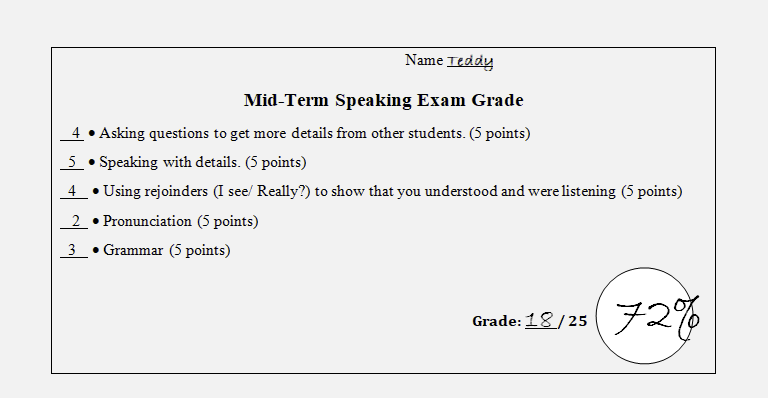 I asked him how he felt about it. He said that he was feeling discouraged because he really tries to be active in conversation, not only telling his ideas and opinions but also responding to and including other. So he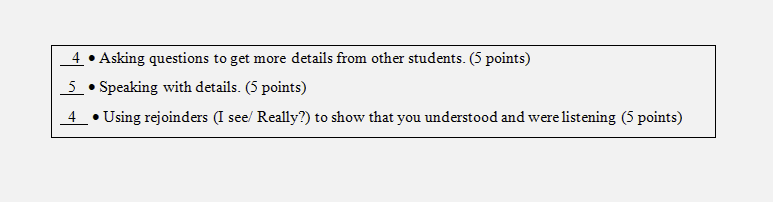


 Common Sense Teaching ESL