
Earlier in my career, I was assigned a pronunciation course with 12 students representing five distinct language groups: Arabic, French, Japanese, Spanish, and Vietnamese. The program administrator had provided a standard pronunciation textbook, and my first challenge was deciding where to begin.
The textbook followed a traditional linear path, starting with 75 pages (nearly 30% of the book) dedicated to vowel sounds—beginning with the high-front vowels in words like eat versus it. However, before allowing the syllabus to be dictated by the authors, I researched which sounds these specific 12 students actually needed to master to avoid communication breakdown. This is what I found:
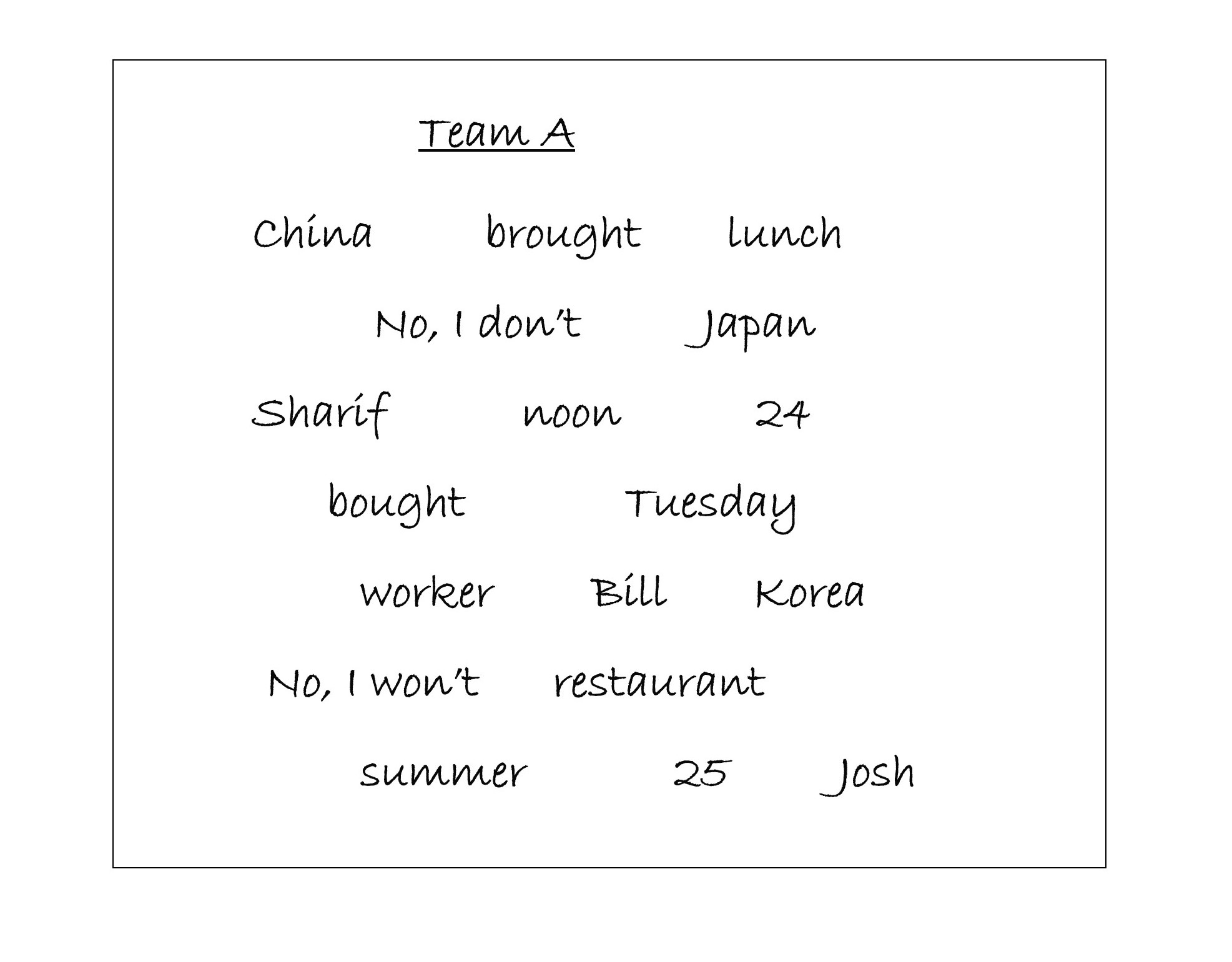
 (This posting includes a handout LINK AT THE END OF THIS POST which you are welcome to use with your students.) *
 Common Sense Teaching ESL