In a study, researchers used a technique with half the participants but not with the other half (the control group). The results: the ones who experienced the technique made half as many mistakes on the task as the control group.
We teachers could apply a variation of this technique during our lesson-introductions as a way to motivate our students.
Here is how the study was carried out by a psychologist, Dan Ariely. The participants were asked to read words in a room with extremely bright lights. They were all give sunglasses, but half of them were told they were wearing expensive Ray-Ban sunglasses. The other half were told that theirs were just ordinary sunglasses. However, both groups were actually given the exact same type of sunglasses.
The researchers found that the participants who thought they were wearing the Ray-Ban sunglasses read twice as many words correctly as the “ordinary” sunglasses group. Also, they completed the task more quickly.
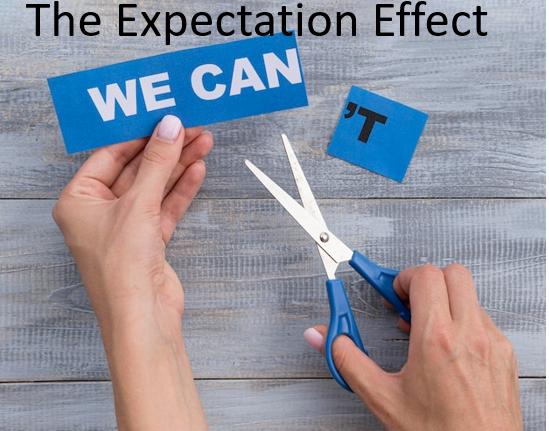
Scientists call this the expectation effect. People tend to perform better when they expect to do so.
In a similar study, half the participant were told that they were going to listen to a task through expensive headphones and half were told they had cheap ones. Actually, all the headphones were the same, but the expensive-headphone group performed much better at identifying distorted words than the cheap-headphone group.
Applying this technique to our classrooms Continue reading →


 Common Sense Teaching ESL