Author Archives: commonsenseesl

• The Best Technique to Teach ESL Listening Skills (in Classes and for Tutors!)

Cover Best Listening shot

                                 This posting includes links to two videos.

I’m always skeptical when I hear someone claim that something in the field of teaching ESL is the best. But I can say from all my 40 years in the field that this technique is the best for teaching listening for teachers and students in so many ways.

What makes this so special is that we can easily match the students’ interests with their level of listening skills. There is no need to search for a book that might come close to doing that.

Here is how it works:

Continue reading →

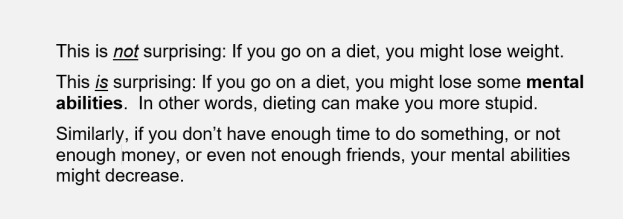
• 8th  Free Reading Unit.  Scarcity: Not Having Enough of Something (can effect mental capacity)

Excerpt from the article

Revised Cover shot

(This posting includes handouts which you are welcome to use with your students.)

See • Reading Units: Reading for Insights (Introduction)  for an introduction to these reading units.

Article & Study Guide for Scarcity: Not Having Enough of Something (and excerpt) Continue reading →

• LINCS Discussion about Student-Centered Conversation Lessons.

Cover revised post discussion

Cover for Blog posting day 1

If you’d like to read the discussion about teaching conversation skills on LINCS, in which I was “interviewed” through posted Q & A for Dec. 6-9, here is the link: LINCS discussion about student-centered conversation lesson. 

David Kehe

• An Effective Technique for Analyzing Students’ Grammar Skills in a Writing Context

Cover counting subordinators

Here is typical exchange that I’ve often heard between teachers who were evaluating a student’s writing together.

Dialog revised shot

It’s relatively easy to evaluate the content in students’ writing. We can usually agree about how well it is organized, how clear the ideas are presented and how deep the support is. The challenge comes when trying to gage the students’ level of grammar in a writing context. It involves more than just counting grammar mistakes. We need to consider a couple of aspects, and one of them is the seriousness of the errors. For example, look at these two sentences:

(Student A) One day, a young bride 1 name Jane packed her stuff and tried to leave her hotel.

(Student B) One day, a young bride packed her stuff, 1 she tried to leave her hotel.

They both have one error, but it would be a mistake to assume that they are at the same level. Student A’s mistake could easily be just an editing error. On the other hand, Student B’s is a run-on and could indicate that the student is still struggling with sentence boundaries.

When analyzing grammar mistakes, we also need to consider the complexity of the students’ sentence style.

Continue reading →